Business Data Management & Artificial Intelligence
We turn the data your company already produces into readable management dashboards, and we apply artificial intelligence where it delivers a measurable result.
These are two activities that support each other: bringing order to the data the company already produces, and using that data to make artificial intelligence work on concrete problems. The second, without the first, produces nothing anyone can decide on.
Data management and readability
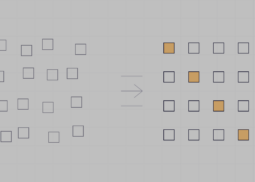
Every company produces far more data than it manages to read. It stays inside the management system, in the spreadsheets of individual departments, in archives nobody consults: and when it is needed for a decision it is not available in the right form or at the right time.
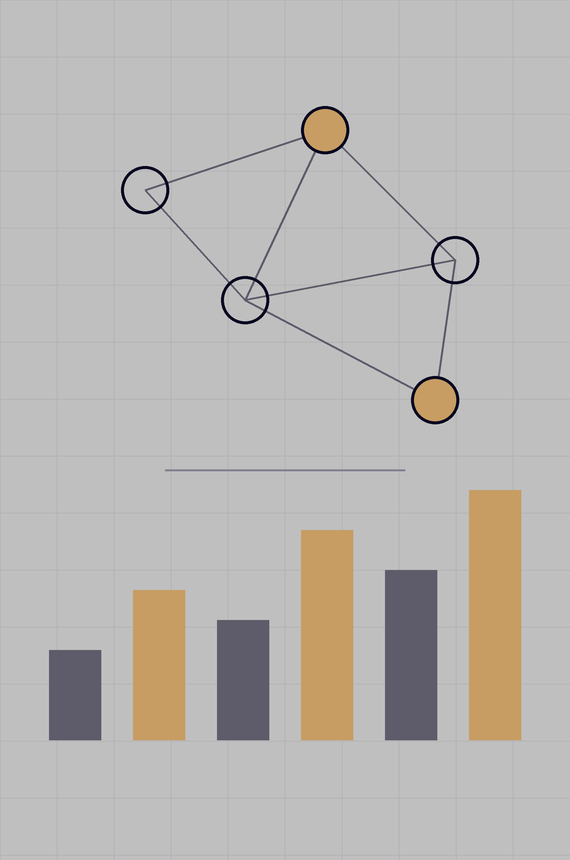
We design and build management dashboards and reporting systems that make that data immediately readable. We do not start from the tools but from the questions management needs to answer: which indicators to watch, how often, who should be able to see them. From there we identify the sources that genuinely hold the information and build a representation that updates itself, without depending on a spreadsheet somebody has to remember to fill in.
The result is a dashboard that opens and makes sense: a few indicators chosen together with you, updated continuously and consistent from one company function to the next. Because the value of a piece of data does not lie in having been collected, but in being available to whoever has to make a decision.
Artificial intelligence
To artificial intelligence we apply the same criterion we use for every other technology: you start from a real business problem, not from the tool.
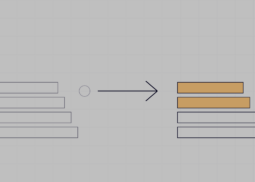
We work with you to identify the processes where AI produces a measurable benefit — documents to read and classify, recurring requests to route, information scattered across different archives to be made searchable — and to verify the return on a limited scope before extending it to the rest of the organisation.
We take care of selecting the solution, integrating it with the systems you already use, and establishing the conditions for it to be usable in the company: where the data resides, who can access it, how the quality of what the system produces is controlled.